The Setlist Doesn't Change — The Room Does
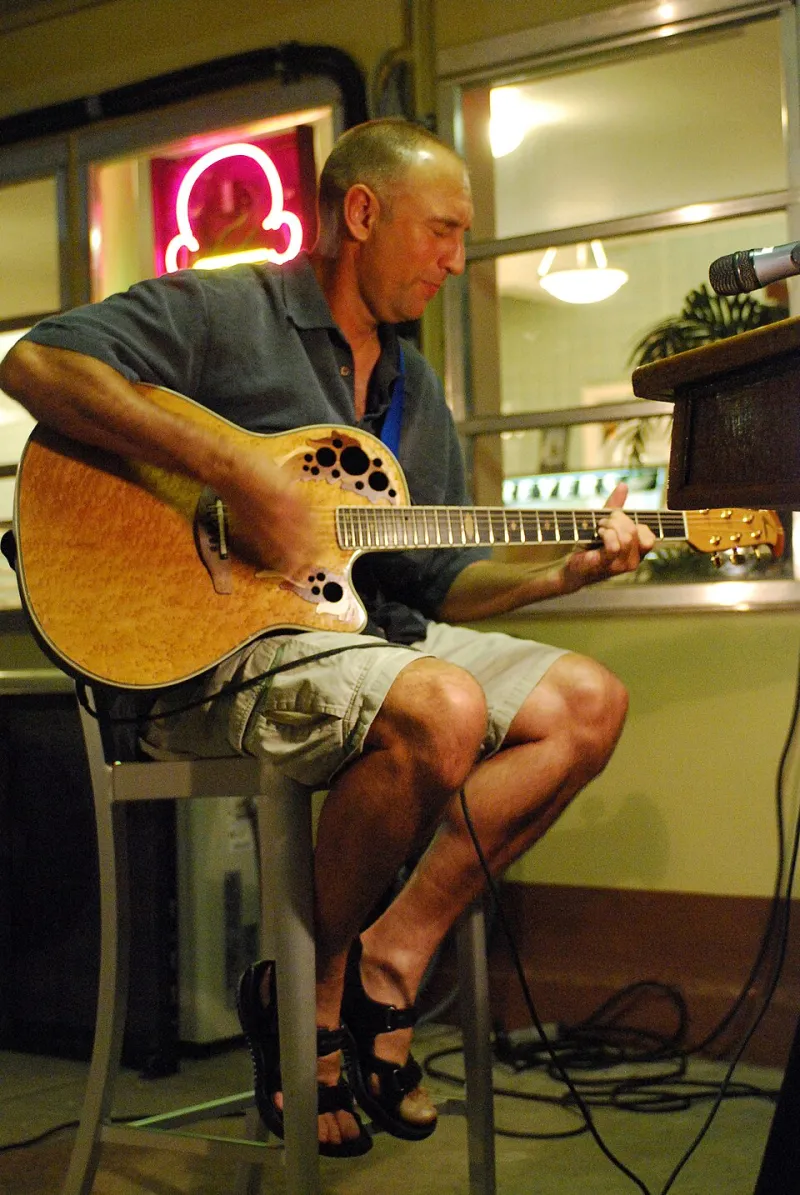
One local covers band, five pubs, and the same twelve songs played from teatime to last orders. A Saturday spent following the setlist around town says more about grassroots music than any arena ever could.
Opinion, culture and creative side quests.
One local covers band, five pubs, and the same twelve songs played from teatime to last orders. A Saturday spent following the setlist around town says more about grassroots music than any arena ever could.

There's a drawer in my kitchen that refuses to shut, and the reason is forty dog-eared takeaway menus. This is a defence of the crumpled, biro-corrected, out-of-date leaflet pile — and an argument that it records a neighbourhood's taste better than any app ever will.
For a month I ignored every neighbourhood app and read only the notices taped inside local shop windows. What I found was funnier, messier and more human than any feed: a town asking itself for help, one sheet of A4 at a time.
For one month I reviewed the things nobody reviews: the office kettle, a rain-shelter bus stop, a badly placed paving stone and a chipped mug. It began as a joke and turned into a surprisingly sincere study of attention, public space and the small comedies of being British in 2026.
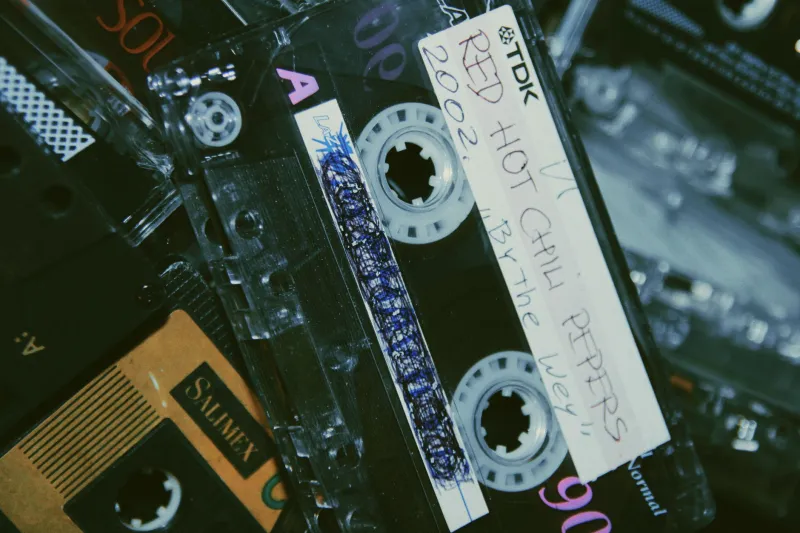
I found a shoebox of my dad's tapes and bought a second-hand deck to play them. Forty-five minutes a side turned out to be a surprisingly good teacher — and it made me realise what shuffle quietly stopped asking of me.
The novelty mug at the back of the cupboard is not clutter; it is a receipt for a day out, a mood, a version of you that once bought a pencil sharpener shaped like a lighthouse. In an age of decluttering, useless souvenirs deserve a quieter kind of defence.
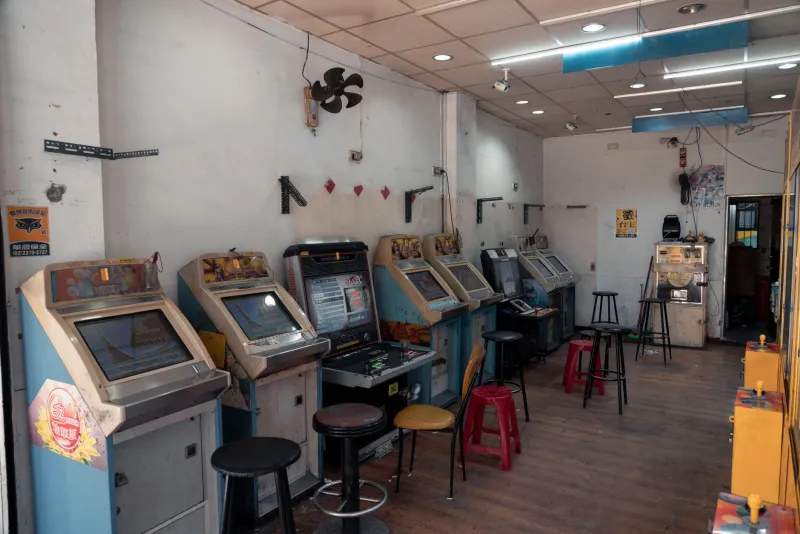
Britain's chip-shop arcades are not polished heritage sites. They are improvised museums of joysticks, tuppences and sticky carpet — and they preserve a version of leisure that home consoles cannot quite replicate. This is a defence of the battered cabinet, the 2p pusher and the seaside machine that still takes real coins.
Every high street has one: a shelf of donated DVDs, priced in marker pen, wedged between the jigsaws and the paperback thrillers. Nobody programmed it. That's precisely why it's the best film education a fiver can buy in 2026.
We pay to skip them, and we can still quote them thirty years later. A ranked, deeply unscientific look at the British TV advert as a thirty-second folk art — and the case for it outliving the six-part drama.
A rainy Saturday, a charity shop DVD shelf, and a decision to stop scrolling. What a rack of £1 films taught me about taste, chance, and why being known by an app is not the same as being understood.
The best comedy night I've been to this year cost less than a cinema ticket and came with no cameras, no merch queue, and no polished hour. A case for the pub back room, the clipboard host, and the beautiful low stakes of an open mic.
In 2026, the skip button is muscle memory. These six TV openings — from a wheezing police box to a piano-led dynasty — are worth thirty seconds of your attention, and they say something about how we watch now.
A defence of the local pub quiz as one of the last shared rooms in Britain where nobody can personalise the questions, skip the hard bits or quietly ask an AI for help. Also: a true-ish story about a tie-breaker, a packet of salt and vinegar crisps and a team called Quiz Team Aguilera.
For thirty days I made something every day using charity-shop finds and a battered sketchbook — and did not post any of it. The experiment was about escaping the productivity treadmill of UK hobby culture and rediscovering the private, messy fun of making things badly.
A strict £15 budget, one independent cinema ticket, a small snack and the bus home. The night out still works — just about — but it asks awkward questions about what British cinemas are for when streaming is cheaper and the sofa is closer.