The Pencil Knows Best: Seven Nights With a Stranger's House Rules
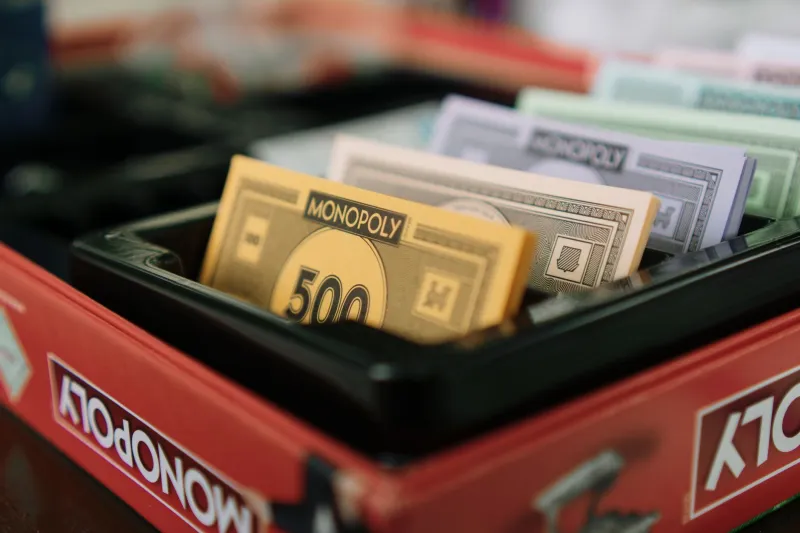
The box was held together with Sellotape that had gone the colour of strong tea. Inside, a race-around-the-board family game from the mid-Eighties, missing one counter and with a plastic button doing service in its place. Price: £2.50. The charity shop on the high street had tucked it between a jigsaw of the Cotswolds and a boxed set of something called 'Brain Training'. I bought it for the pieces, honestly. Then I found the note.
Folded twice, tucked under the lid, written in pencil in a careful, slanted hand: 'OUR RULES — please keep with the game.' Six amendments to the printed rulebook, numbered, with the occasional asterisk. No name. No date. Just a set of instructions from somebody's living room to mine.
I decided to play by them. Strictly. For a week, every time the game came out, the printed rules would be secondary and the pencil would be law.
The Box and the Pencil
House rules are peculiar things. Every family has them, and almost none of them are written down. They live in the gap between what the box says and what actually happens on a rainy Sunday. Ours growing up involved a lenient approach to bank errors and a strict ban on gloating. But here was a set that had survived the journey from one kitchen table to another, still legible, still insistent.
The first rule read: 'No buying on the first lap. Let everyone get a feel for it.' The second: 'Doubles — tell the table one true thing.' The third: 'Corner square — whoever lands makes the tea.' There were three more, including a note about the bank never running out ('use buttons, the bank is a concept, not a shortage') and a final clause: 'No trading in the last three rounds. It always ends in tears.'
I read them out to the household. There was a pause. Then someone put the kettle on, which felt like the correct response.
Monday: The First Lap Belongs to Nobody
We played on Monday evening, which is not a natural board-game night. Monday evenings are for tasks and the quiet dread of Tuesday. But the box was on the table and the note was on top of it.
That first rule changed the shape of the game immediately. Normally, the opening lap is a land grab. Everyone buys whatever they land on, the bank gets frantic, and by the time you've been round once the board is already divided into haves and have-nots. The pencil said no. The first lap was for looking. For asking what the little symbols meant. For noticing that the board had a picture of a windmill in the corner that none of us had ever seen before.
It was, unexpectedly, quite nice. We talked. We didn't hoard. The game took longer to get going and was better for it.
Wednesday: The Tea Rule
On Wednesday two friends came round. We explained the pencil and they agreed to be bound by it, which is the kind of thing friends agree to before they realise it means they might have to make tea.
One of them landed on the corner square. The rule was clear. Off he went. The game paused. And then something happened that wouldn't have happened if the printed rules had been in charge: we sat and talked for twenty minutes while the kettle boiled and the teabags stewed. About his week. About a work thing he'd been circling for months. About nothing much.
The game was still there when we went back to it. Nobody had won anything in the meantime. It turned out the pencil had built a pause into the evening, and the pause was the best part.
Friday: The True Thing
By Friday I'd started to look forward to doubles. The rule was simple: roll a double, tell the table one true thing. Not a confession, not a dramatic revelation. Just something true.
We learned that one of us had never been to Scotland. That another had once got stuck in a lift for forty minutes and had only pretended to be fine. That the button replacing the missing counter was from a coat that had been given to a charity shop in 2019.
House rules are usually about fairness or speed or stopping arguments. This one was about intimacy. It was a small, handwritten instruction to be a bit more human with each other, disguised as a game mechanic. I don't know who wrote it. I suspect they knew exactly what they were doing.
Sunday: The Bank Is a Concept
The final game was on Sunday afternoon, with the proper lot — the ones who take their board games seriously and have opinions about dice. We explained the pencil rules. There was some scepticism. Then someone landed on the corner and had to make tea, and the scepticism softened.
The rule about the bank never running out was quietly revolutionary. In the printed game, the bank can run dry, and that creates a particular kind of panic. The pencil said: use buttons. The bank is a concept, not a shortage. We used buttons. Nobody panicked. The game kept moving.
And the last-three-rounds trading ban? It worked. The endgame was calmer. Less last-minute deal-making, fewer wounded looks. It always ends in tears, the note said. So they'd stopped it from ending that way. A stranger's pencil had pre-empted an argument we hadn't even had yet.
What a Stranger's Pencil Taught Me
Charity shops are full of other people's evenings. Jigsaws with a missing piece and a note saying so. Recipe books with annotations in the margin. Board games with a folded page of amendments. These aren't just second-hand objects; they're informal archives of how other people lived in their living rooms.
The week taught me that house rules aren't really about the game. They're about the kind of evening you want to have. The pencil note had encoded patience, generosity, shared labour, and a bit of honesty. I don't know who wrote it, or whether they'd be pleased or horrified that a stranger followed their instructions to the letter. But I like to think they'd approve of the tea.
At the end of the week I added one more rule to the note, in pencil, underneath theirs: 'Write your own. Date it. Leave it for the next lot.'
Then I put the lid back on the box and slid it onto the shelf. The button rattled. The pencil stayed where it was, folded twice, waiting.