A Ticket for the Slowest Club in Town: Four Weeks in the Library Holds Queue
There is a particular kind of optimism in pressing the reserve button on a library app. It is the optimism of a person who believes they will still want to read a 600-page novel in six weeks' time, and that the world will not have moved on by then. I pressed it anyway. The screen told me I was number forty-seven in the queue. I took a screenshot, as if I had achieved something.
That was the start of a small experiment. I decided to check in once a week, not obsessively, just enough to notice the number move. I wanted to see what the wait would do to me. I also wanted to know what it said about the town, because a library holds queue is a strange sort of local census. It tells you what people are prepared to wait for, and what they are not.
The Number Goes Down, Slowly
The first week, nothing happened. The app still said forty-seven. I told myself this was fine. The second week, I was forty-four. I felt a ridiculous surge of progress, the same feeling you get when a bus finally appears on the display board. By week three I was thirty-nine. By week four I was thirty-one. The book was moving through the town like a relay baton, and I was somewhere in the middle of the race, not running, just holding out my hand.
The odd thing is that I began to enjoy the wait. Not in a noble, stoic way. More in the way you enjoy a countdown to a holiday you have not yet packed for. There was no pressure to start. I could read other things guilt-free. I could walk past the bookshop display of the same title and feel a smug little glow: I am already in the system.
What the Town Is Reading
The title itself is not the point. The queue is. When I asked one of the librarians at my local branch about it, she laughed and said the holds list had become its own little weather system. Some books arrive and sit quietly on the shelf. Others attract a queue so long it feels like a municipal event. In 2026, she said, people are still reading, but they are also reading about reading. They see a book discussed online, they reserve it, and then they wait. The library becomes a kind of slow-motion recommendation engine, powered by council funding and human impatience.
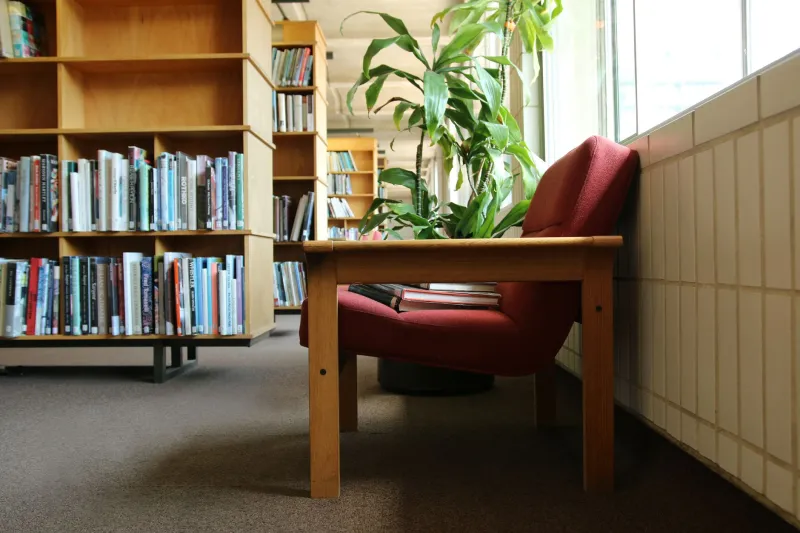
She showed me the shelf of reserved books behind the desk, each one tagged with a slip of paper and a name. It looked like a very tidy hostage situation. There were thrillers, memoirs, a couple of books about grief, and one enormous history of the medieval world that had clearly been reserved by someone with either a lot of time or a very specific ambition. I asked if anyone ever gives up. She nodded. There is always a person who reaches number one and then never collects. The book sits there for a week, then goes to the next person, and the queue shuffles forward like a card trick.
The Etiquette of Waiting
Waiting for a library book has its own social rules. You cannot see the other people in the queue, but you can feel them. When I reached number twelve, I started to wonder about the person at number eleven. Were they a fast reader? A slow one? Were they going to renew it and push me back a week? Renewals are the great invisible menace of the holds system. A single renewal can feel like a personal slight, even though you know it is just someone else's life happening.
I also began to feel the strange guilt of the fast reader. When my turn finally came, I read the book in four days. It was good. It was not so good that I forgot the forty-six people behind me, but I was aware of them. I returned it early, as if to say sorry. The librarian scanned it in and said, 'That was quick.' I said, 'I didn't want to hold anyone up.' She gave me a look that suggested this was the most British sentence she had heard all week.
There is a person ahead of me in most queues who has clearly given up. I never met this person, but I imagined them: someone who reserved the book in a fit of enthusiasm, then remembered they had a job, a family, a pile of unread magazines. Their absence moved me forward. I felt grateful and slightly guilty, which is roughly the emotional baseline of using public services in the UK.
The Last Unoptimised Pleasure
We have optimised almost everything. We can skip adverts, binge entire series in a weekend, order a takeaway in three taps. Even reading has been sped up by algorithms that tell us what to read next before we have finished the current thing. The library holds queue is one of the last places where you cannot hurry. You can check the app, but you cannot make the book arrive faster. You can renew, but only within limits. You can give up, but someone else will take your place.
That slowness is not a bug. It is the point. Waiting for a book is a small act of faith in the future. It says: I will still be here, and I will still want this. In a year when everything feels like it is happening at once, a queue of forty-seven strangers is oddly comforting. It is a reminder that reading is not a race, even when the app makes it look like one.
When my number finally came up, I walked to the library on a Tuesday afternoon. The book was waiting behind the desk, tagged with my name. The librarian handed it over and said, 'Enjoy it.' I did. And then I returned it early, because somewhere behind me there was a person at number forty-seven who had just taken a screenshot of their own.