Fifteen Quid at the Flicks: What a Budget Cinema Night Says About 2026
The rules of the experiment
I gave myself fifteen pounds for a Friday night at the cinema in 2026. Not fifteen pounds for the ticket, with everything else quietly going on a card. Fifteen pounds in total: ticket, snack, travel home. If the night cost more, I had to walk away or go home. I picked my nearest independent cinema, a two-screen place with a slightly sticky carpet and a box office that still sells paper tickets.
The ticket was £9. The small popcorn was £3.20. The return bus fare was £2.60. Total: £14.80. I had twenty pence left and a vague sense of victory.
The bit before the film
There is a particular atmosphere in an independent cinema on a Friday evening. It is not glamorous. The posters are a bit wonky. Someone is always trying to get the card machine to work. The person behind the counter asks if you want the loyalty card, and you both know you will forget it exists until the next time.
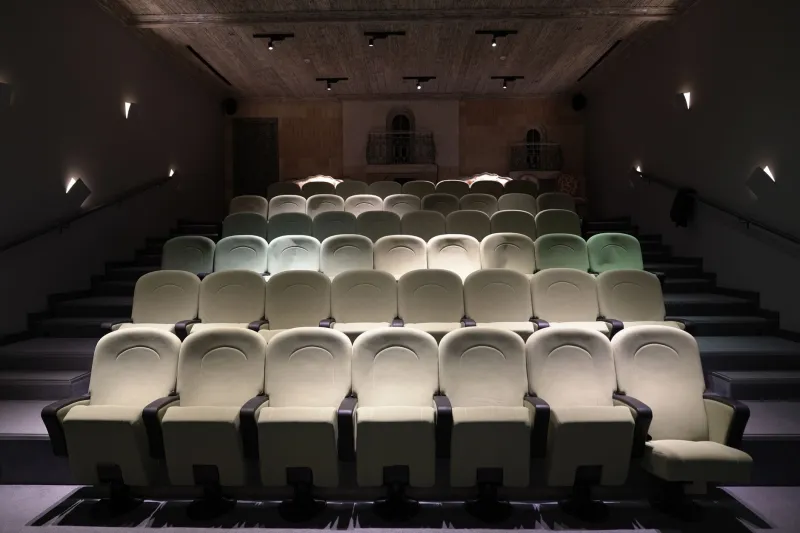
I sat near the middle, which is the correct place to sit if you are on your own and do not want to look like you are waiting for someone. The screen was not full, but it was not empty either. There were couples, a small group of friends, and one man who had brought his own bag of sweets and was eating them with the quiet determination of someone who has done this before.
The trailers were long. Twenty minutes of them, by my rough count, which felt excessive until the room settled into that shared hush. A woman two rows back laughed at a trailer for a film she clearly had no intention of seeing. That is one of the small pleasures of the cinema: you are in a room with people who are not your friends, and for a couple of hours you are all reacting to the same thing.
What the room does that the sofa cannot
At home, I can pause. I can make tea. I can check my phone during the slow bits. I can fold laundry while a film plays in the background and tell myself I am watching it. The cinema asks for something different. You pay, you sit, you stay. There is no second screen. There is no scrolling. There is just the film and the room.
That sounds worthy, but it is also genuinely nice. The film I saw was a small British drama with a good script and a ending that divided the audience. I liked it. But the night was made by the room: the rustle of a crisp packet, the cough from the back, the collective intake of breath when a character made a terrible decision. Streaming cannot do that. Streaming is convenient, but it is not a night out.
The awkward bit is that convenience is hard to beat on a wet Friday when the bus is late and the sofa is right there. The cinema has to offer something better than convenience. Atmosphere is part of it. So is the sense that you have left the house and done something, even if that something is sitting in the dark with strangers.
The maths that will not go away
Fifteen pounds is not nothing. For some people it is a meal. For a family of four, the same night out is sixty pounds before parking, drinks and the pick-and-mix that costs more per kilo than the weekly shop. Independent cinemas cannot simply lower prices. Rents, energy, staff and film hire all cost money. The £15 challenge is a bit of fun for me, but for plenty of people it is the whole budget.
So what should cinemas do? They cannot out-cheap streaming. They have to make the night feel worth leaving the house for. That might mean cheaper Monday screenings, memberships that actually save regulars money, Q&As with local filmmakers, programmed seasons that give people a reason to come back. It might mean a bar that does not charge seven pounds for a small glass of wine. It might mean making the place feel like it belongs to the town rather than a chain that happens to be in it.
I do not think there is one answer. Some cinemas will survive by being cheap. Some will survive by being special. The ones that struggle will be the ones that are neither.
Would I do it again?
Yes. But I would go less often and choose more carefully. The £15 challenge did not prove that cinema is dead. It proved that the night out has to earn its keep. In 2026, with streaming in every living room and prices going up everywhere, that is not a small ask. But when it works, it still feels like something worth leaving the house for.