The Sketchbook No One Saw: A Month of Making Bad Art on Purpose
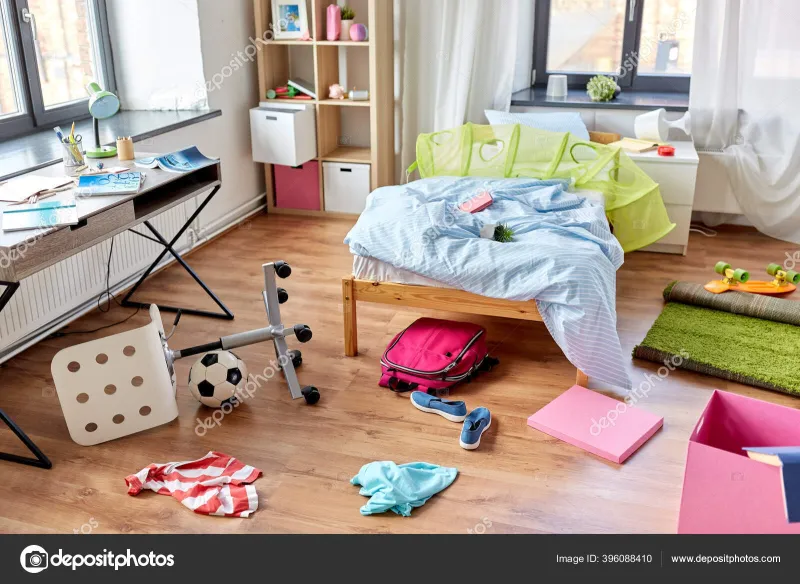
Photo: messy sketchbook charity shop art supplies on kitchen table, via st4.depositphotos.com
The rules
In 2026, I spent a month making bad art on purpose. The rules were simple: one creative thing every day for thirty days; materials from charity shops, a battered sketchbook, a glue stick and whatever was in the kitchen drawer; no posting, no audience, no trying to make it good. I did not call it a challenge online. I did not make a grid. I did not tell anyone for the first week, mostly because I was not sure I would keep going.
How hobbies got so serious
UK hobby culture has become weirdly professional. Even the word hobby sounds like something you should optimise. We photograph the walk, review the book, monetise the knitting. I have done it myself: turned reading into a list, photography into a portfolio, a nice afternoon into content. The pressure to be good is exhausting. Somewhere along the way, making things became another way to fall behind.
That is why I wanted a month with no audience. Not because sharing is bad, but because the possibility of sharing changes what you make. You start thinking about the caption before you have finished the thing. You edit for the algorithm. You make the art that looks good in a thumbnail, not the art that feels good in your hands. I wanted to see what happened when that pressure was removed.
The bad art itself
Some pages were collages of old magazine adverts. Some were pencil drawings of the fruit bowl, wonky and out of proportion. One was a page of circles. I made a cardboard fish. I do not know why. The charity-shop materials had a history: a 1990s atlas, a broken necklace, a sheet of stickers with half the good ones gone. The sketchbook got glue on the cover and a coffee ring on page twelve. By the end of the month it looked like something that had been rescued from a skip, which felt appropriate.
Some days I spent five minutes on a page. Some days I spent forty. I did not keep a streak chart. I did not measure my progress. The only rule was that something had to exist at the end of the day that had not existed at the start. That was enough.
The middle week
By week three, I was bored. Not creatively blocked; bored. The novelty had worn off and no one was watching. There was no dopamine hit from a like, no friendly comment, no sense that I was building something. It was just me and a glue stick and a page that was not going well.
That was the most useful part. I noticed I was judging the pages less. When no one is going to see it, the question changes from is this good to is this interesting to me. Some pages were ugly. Some were boring. A few were accidentally quite nice. None of them had to be anything.
The lack of audience was the point. No one was going to like it, so it did not have to be likeable. That sounds obvious, but it is surprisingly hard to remember when so much of daily life is performed.
What I learned
Creating for no one is not antisocial. It is a different kind of attention. It made me less precious about the things I do share. It also made me realise how often I use productivity as a way to avoid play. If something cannot be measured, we tend to treat it as a waste of time. But a hobby can just be a way to pass a wet Tuesday. It does not have to become a skill, a side hustle or a brand.
I am not saying everyone should quit posting. Sharing work can be brilliant. But I do think we could all do with a corner of our lives that is not for public consumption. A sketchbook no one sees. A guitar played badly in the spare room. A terrible poem on the back of an envelope. The point is not the output. The point is the doing.
The last page
The sketchbook is still ugly. I am keeping it. Not because it is good, but because it is proof that I made something for a month without asking anyone to clap. In 2026, with every hobby turning into content, that feels like a small act of rebellion. And a fairly cheap one, too.